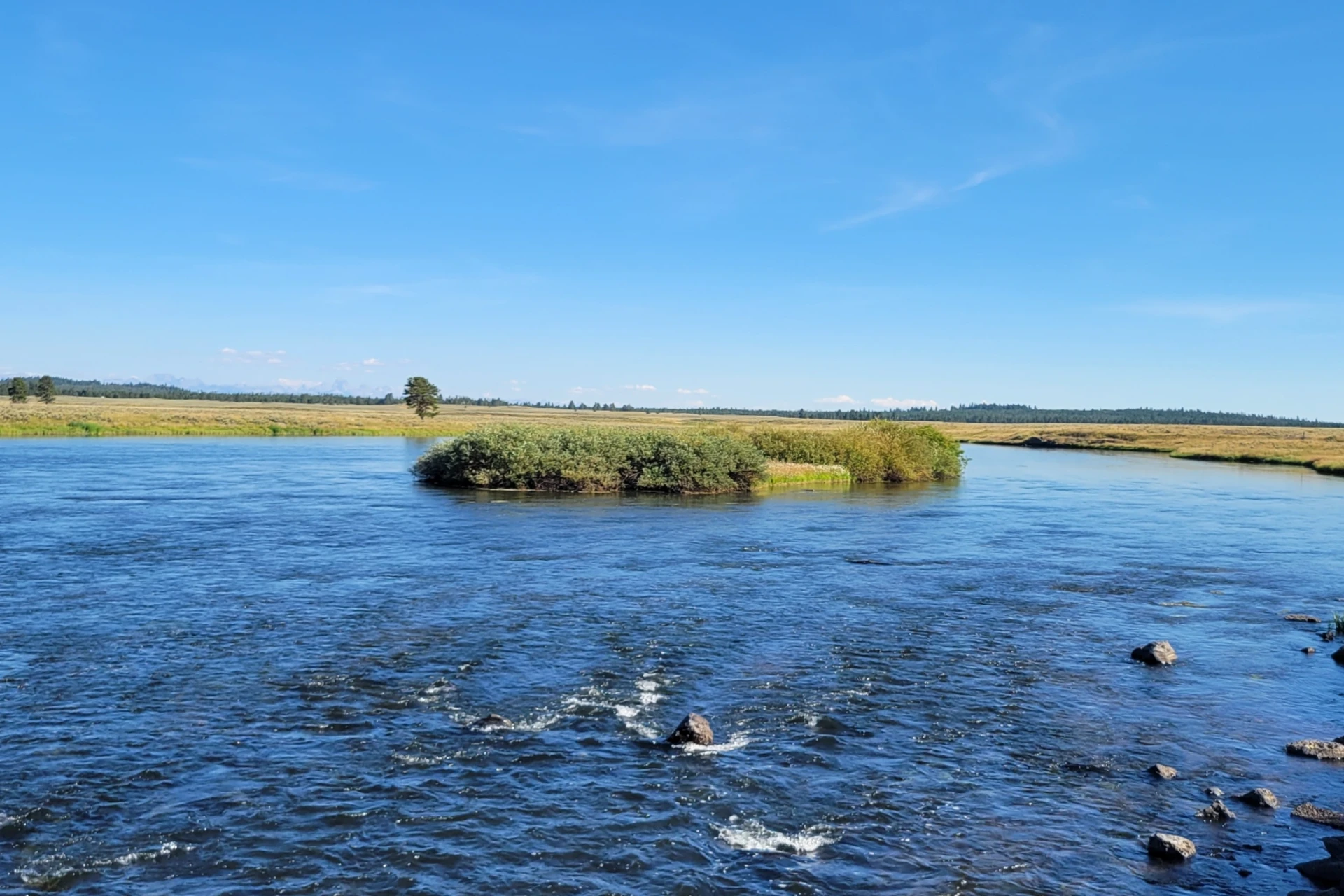
Fall River
ID
•
Stream
About Fall River
The Fall River is a 64-mile freestone stream originating in the southwestern corner of Yellowstone National Park. It flows through Idaho before joining the Henry's Fork near Ashton, offering a remote and wild fishing experience. The river's character is defined by its flows: spring runoff often causes it to overflow its banks, while peak summer brings lower water levels. Its upper reaches within Yellowstone are particularly scenic, featuring numerous cascades and waterfalls, including the accessible 20-foot Cave Falls and the multi-tiered Terraced Falls. These features create varied holding water, from deep plunge pools to oxygenated riffles, throughout its course. Anglers can access the Fall River through two main routes. To reach the lower sections and Cave Falls, drive east from Ashton, Idaho, on ID-47 toward Mesa Falls. Turn right onto Cave Falls Road, and the river is easily accessible from the road's end. This area provides a good starting point for exploring the river. For a more adventurous trip into the upper reaches and its headwaters, follow signs from Cave Falls Road to Grassy Lake Road. This road cuts through the parks from west to east. Park below the Grassy Lake Reservoir Dam and be prepared for a hike to reach the river. The Fall River is well-suited for wade anglers, and smaller float boats can also navigate its waters, with good fishing opportunities found along its entire length down to Chester. Its remote nature means you often have plenty of water to yourself. The Fall River is home to a diverse population of trout, including Rainbow Trout, Cutthroat Trout, Brook Trout, Mountain Whitefish, and Brown Trout. Since specific insect hatches are not a primary focus here, success hinges on understanding the water and presenting flies effectively. When the river is running higher during spring runoff, focus your efforts on slower seams, eddies, and the softer water found along the banks. Fish will hold out of the main current, conserving energy. Target these areas with heavier nymph rigs or streamers, ensuring your flies get down quickly. As summer progresses and flows drop, the trout will congregate in deeper pools, runs, and the oxygenated water below cascades and waterfalls. For wade anglers, working upstream is often productive, allowing for a stealthy approach to pocket water and riffles. Use weighted nymph rigs to get your flies down quickly in faster currents, targeting the bottom. Streamers, swung through deeper runs and across current breaks, can also be highly effective, especially for larger fish. For those utilizing smaller float boats, concentrate on covering long stretches, paying close attention to any visible structure like submerged logs, boulders, or undercut banks. Always carry a selection of weights, indicators, and tippet to adjust to the varying depths and current speeds you'll encounter on the Fall River.
Fall River Hatch Chart
Loading active hatches…
Quick Actions
Regulations
•
Seasonal Closures: This water has seasonal closures. Check local regulations for specific dates.
Trip Planning
Best fishing typically occurs during summer and fall. Check water conditions before heading out.
See what insects are emerging on Fall River's hatch forecast — including active hatches, water temperatures, and which patterns to have in your box this month.
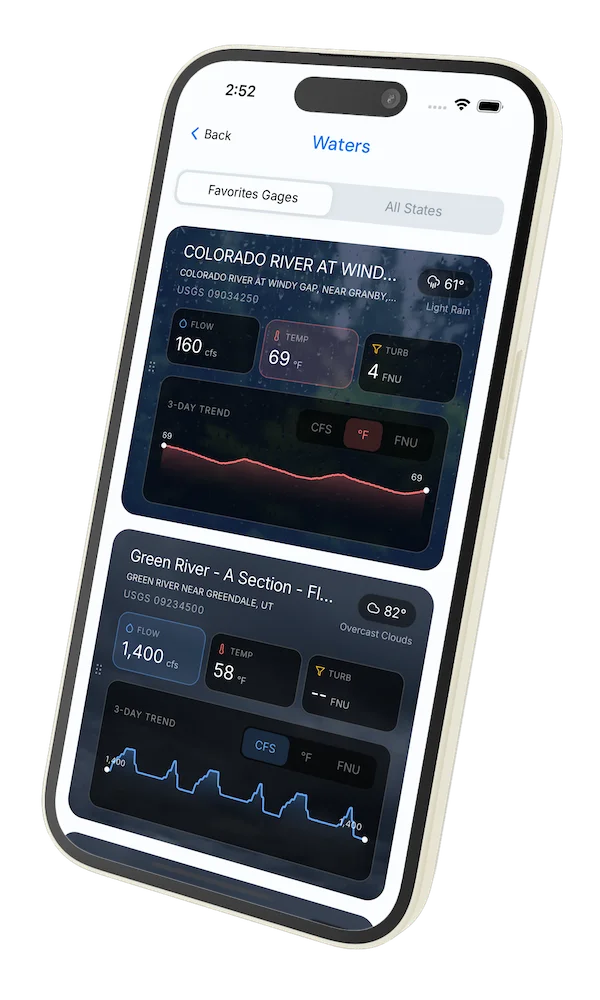
Get IdentaFly on your phone
Hatch forecasts, river gages, fly scanning, and your journal — built for on-stream use. Be prepared before you get to the water. Free on the App Store and Google Play.


Conditions Report
Read tips and insights about recent conditions for Fall River — gathered from on line sources.
Read the Conditions ReportWater conditions
Water conditions for the last 7 days. You can gain insights to fishing activity based on these conditions, like water temperature and flow.
Data sourced from USGS National Water Information System
Access
Seasons
Terrain
Water
Fish Species
Rainbow Trout
Cutthroat
Brown Trout
Brook Trout
Regulations
•
Seasonal Closures: This water has seasonal closures. Check local regulations for specific dates.
Fishing Styles
Methods
•
Drift Boat Only
•
Wade Friendly
Land Ownership
National Park
Public Blm