Boise River
ID
•
River
•
Main stemAbout Boise River
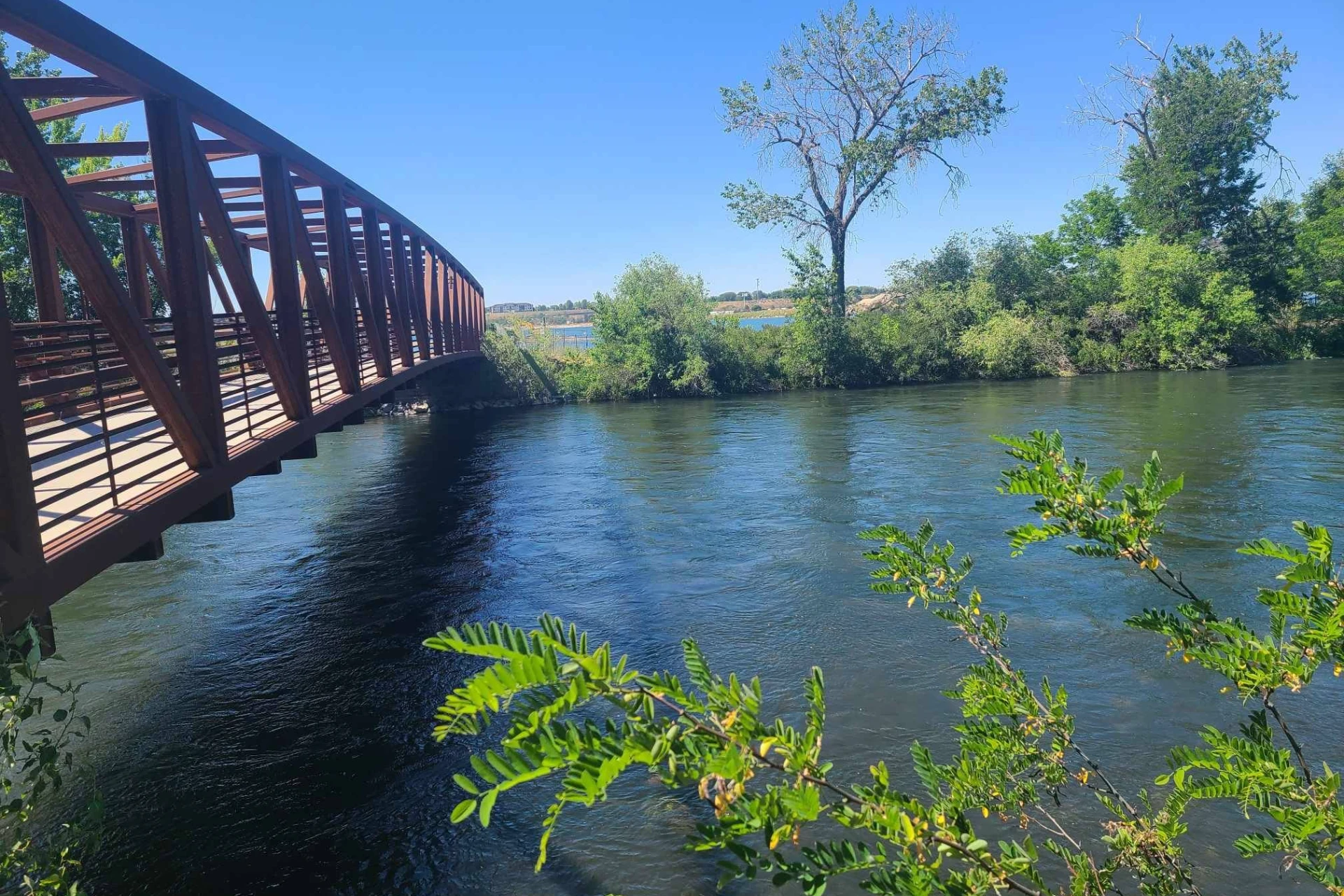
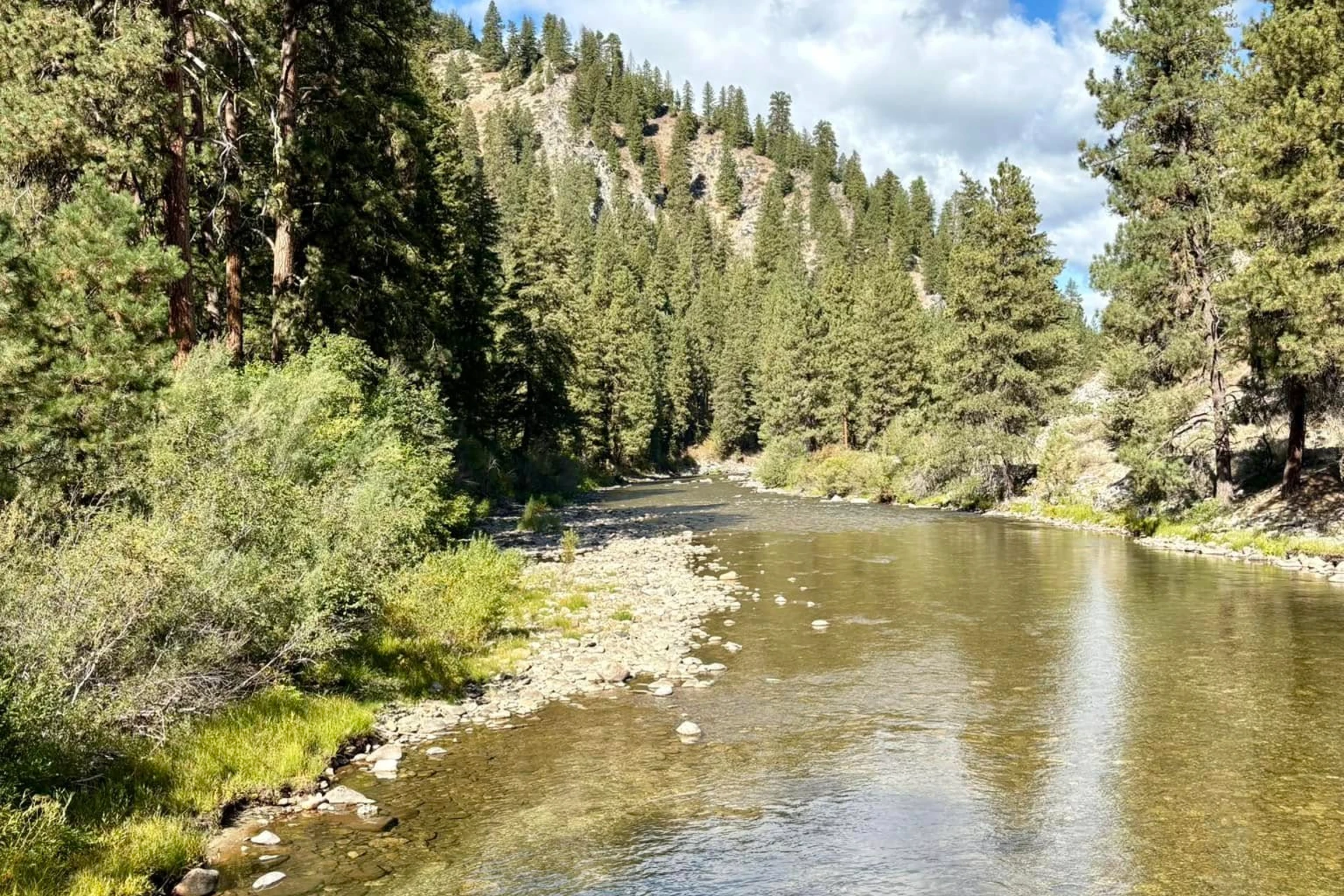
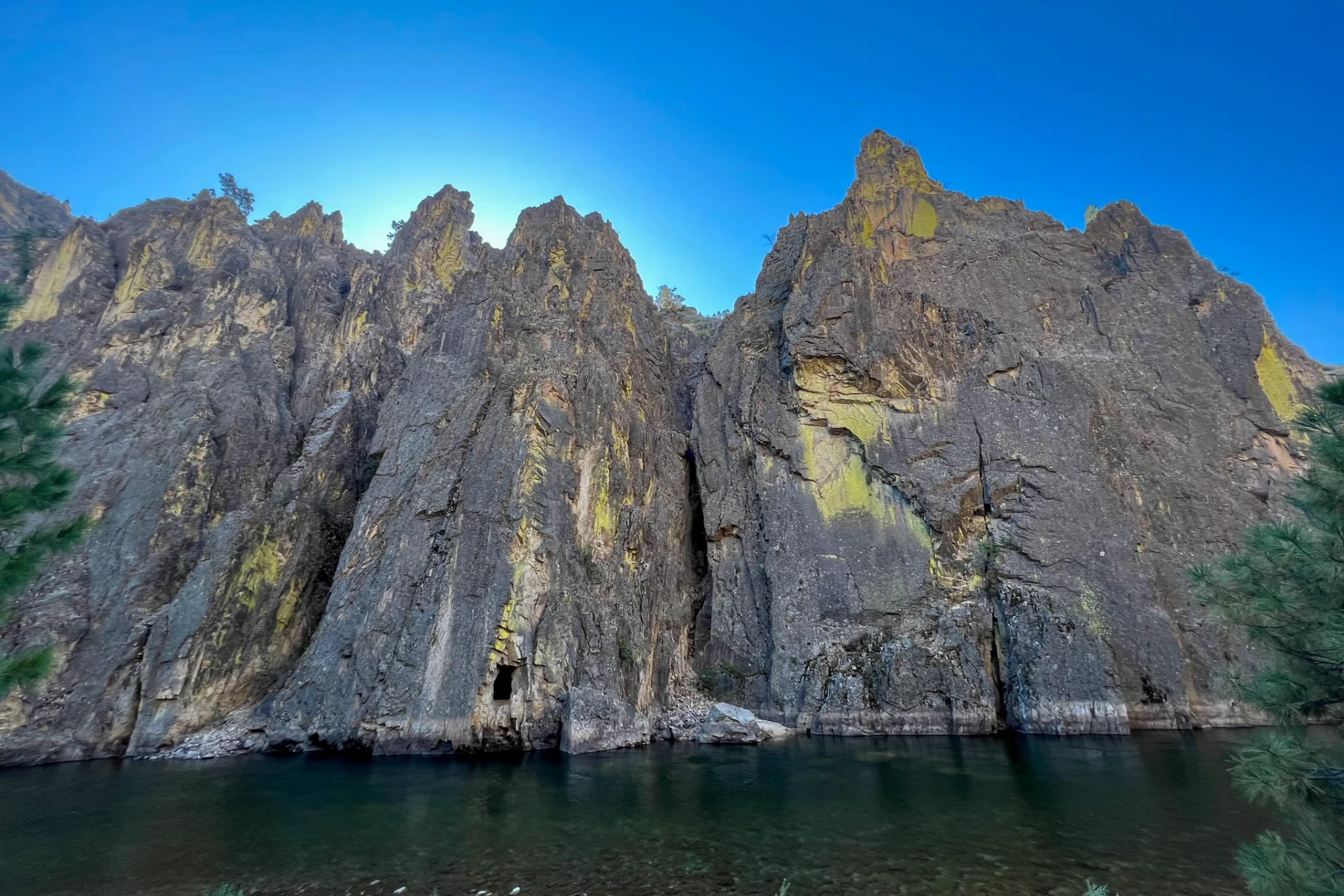
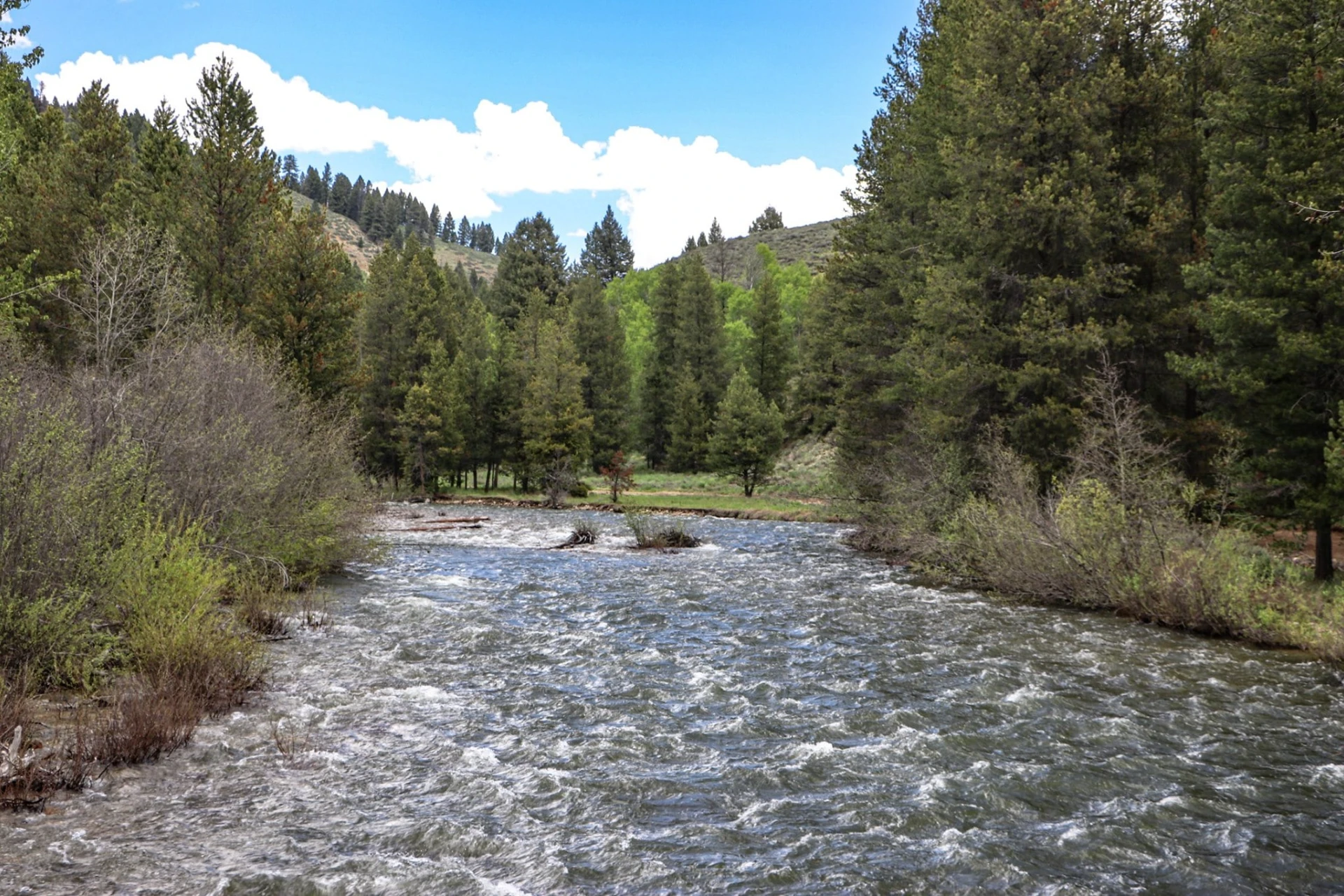
The Boise River, a significant 102-mile tributary of the Snake River in Idaho, originates in the rugged Sawtooth Range, with its North and Middle forks rising in the Sawtooth Wilderness Area. These forks converge to form the main stem, which flows southwest through the Boise National Forest before being regulated by Arrowrock Reservoir and Lucky Peak Dam. The river then emerges from the foothills to wind through the Treasure Valley, passing through urban areas and agricultural lands. Below Lucky Peak Dam, the river transforms into a braided stream with a wide floodplain as it meanders across the western Snake River Plain, ultimately joining the Snake River on the Idaho-Oregon border. The watershed is characterized by diverse habitats, from alpine canyons to agricultural lands and urban greenbelts, with water management projects, including several diversion dams for irrigation canals, playing a key role in its flow. Upstream from Lucky Peak and Arrowrock reservoirs, the Boise River and its tributaries offer excellent opportunities for wild rainbow trout, mountain whitefish, and bull trout, particularly downstream of Anderson Ranch Reservoir on the South Fork. As the river flows downstream, it transitions to a coldwater stream supporting a variety of fish, including mountain whitefish, hatchery-reared rainbow trout, wild rainbow trout, and a recovering population of brown trout. The lower sections, influenced by agricultural runoff, can have warmer water and support fair fisheries for largemouth bass, smallmouth bass, and channel catfish. Anglers can expect insect activity that includes hatches of Caddis, Blue Wing Olive, Golden Stone, and Pale Morning Dun. Effective fly fishing tactics often involve nymphing, swinging flies, and Spey casting, particularly in the more dynamic sections of the river. Access is available through public lands and along the extensive Boise River Greenbelt, which offers opportunities for wading and floating. Caution is advised when wading due to varying water depths and currents, especially around diversion structures.
Boise River Hatch Chart
Loading active hatches…
Quick Actions
Trip Planning
Best fishing typically occurs during spring and summer. Check water conditions before heading out.
See what insects are emerging on Boise River's hatch forecast — including active hatches, water temperatures, and which patterns to have in your box this month.
Get IdentaFly on your phone
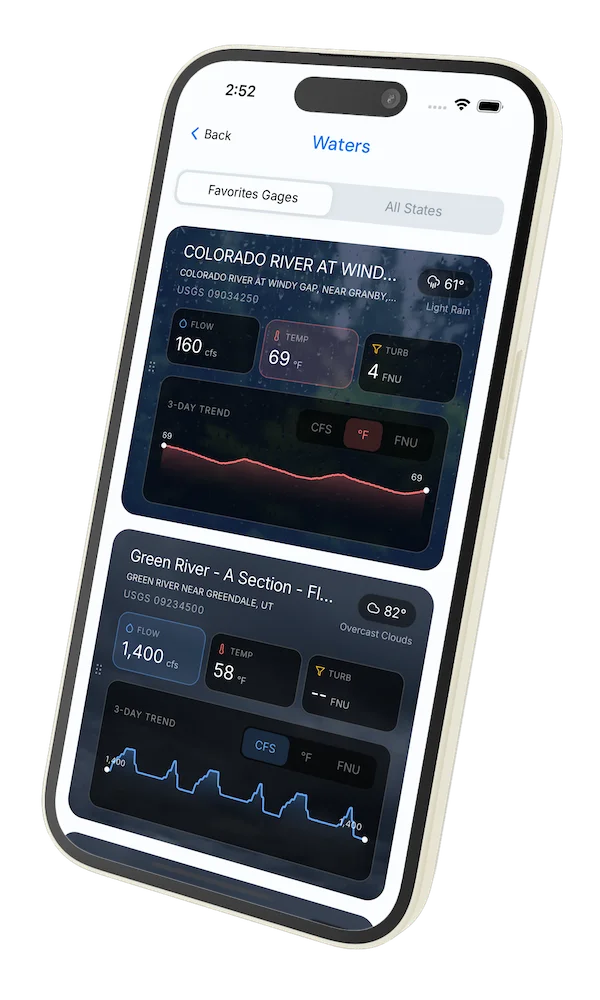
Hatch forecasts, river gages, fly scanning, and your journal — built for on-stream use. Be prepared before you get to the water. Free on the App Store and Google Play.


Conditions Report
Read tips and insights about recent conditions for Boise River — gathered from on line sources.
Read the Conditions ReportWater conditions
Water conditions for the last 7 days. You can gain insights to fishing activity based on these conditions, like water temperature and flow.
Data sourced from USGS National Water Information System
Access
Seasons
Terrain
Water
Fish Species
Rainbow Trout
Brown Trout
Bull Trout
Whitefish
Steelhead
Largemouth Bass
Smallmouth Bass
Catfish
Fishing Styles
Methods
•
Wade Friendly
•
Float Friendly
Land Ownership
Public Forest Service