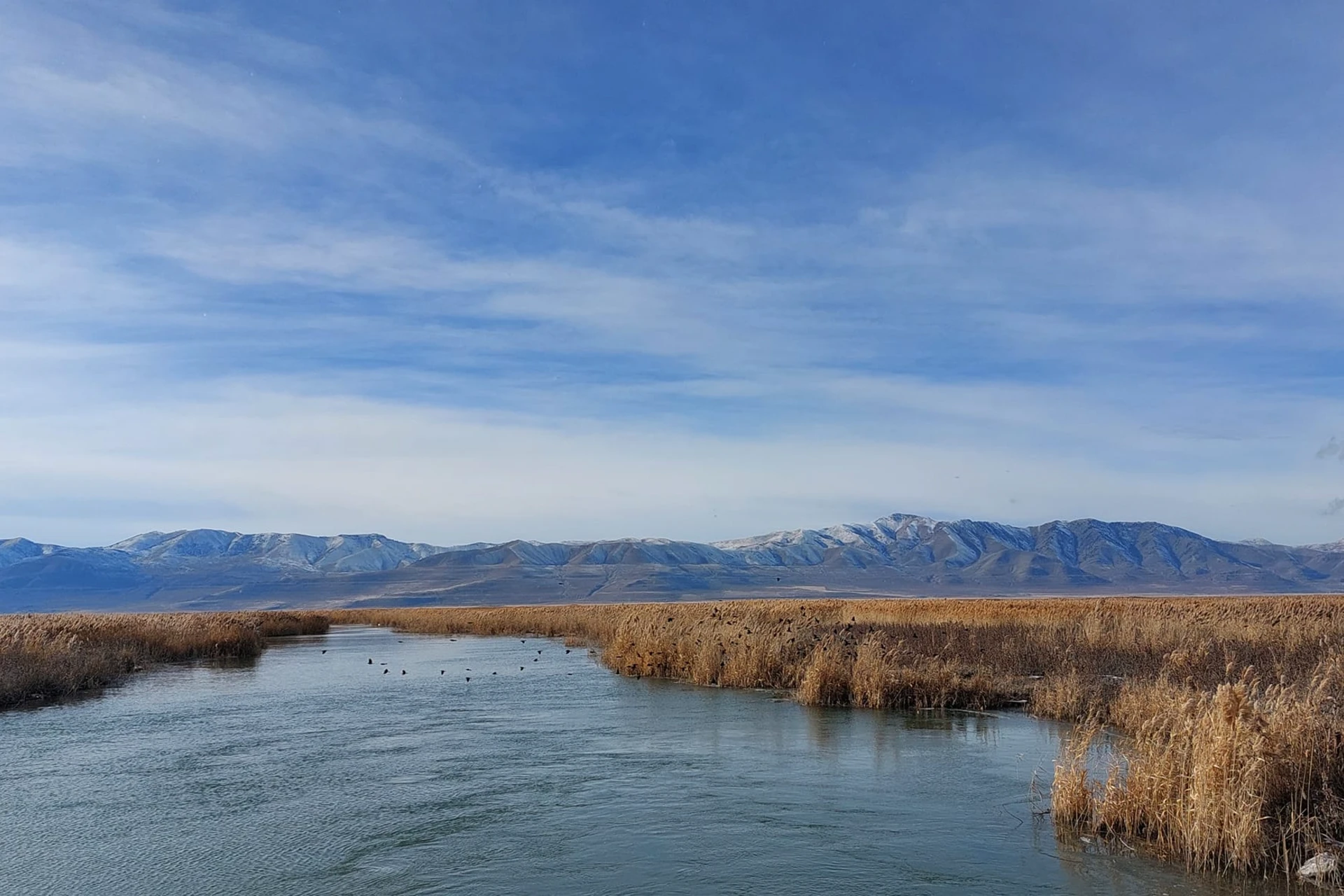
Bear River
ID
•
River
About Bear River
The Bear River snakes over 300 miles through southeastern Idaho, a significant tributary to the Great Salt Lake. This extensive waterway offers a variety of fishing environments, from the wider, slower sections in the lower reaches to more defined channels in its headwaters. Anglers will find structure in the form of inlets, drop-offs, and along the often-undercut banks. Access is available from shore in many areas, with campgrounds and boat ramps noted in Bear Lake, Caribou, and Franklin counties, making it accessible for different fishing styles. You can expect to see brown trout, rainbow trout, and cutthroat trout holding in the deeper pools and along the structure. Mountain whitefish are also prevalent throughout the system. This river is known for its healthy populations of walleye, brown trout, and cutthroat trout, with smallmouth bass and channel catfish also making appearances. For insect activity, look for stoneflies and caddis hatches. When targeting trout, a size 16 or 18 Parachute Adams or a small Elk Hair Caddis can be effective during these hatches. For walleye and bass, try larger streamers or crayfish patterns fished near submerged structure and along the banks. In the faster water, a two-fly nymph rig with a Prince Nymph or a Hare's Ear, trailed by a smaller Pheasant Tail, will often produce. Be mindful of other anglers and give them space.
Bear River Hatch Chart
Loading active hatches…
Quick Actions
Trip Planning
Best fishing typically occurs during spring and summer. Check water conditions before heading out.
See what insects are emerging on Bear River's hatch forecast — including active hatches, water temperatures, and which patterns to have in your box this month.
Get IdentaFly on your phone
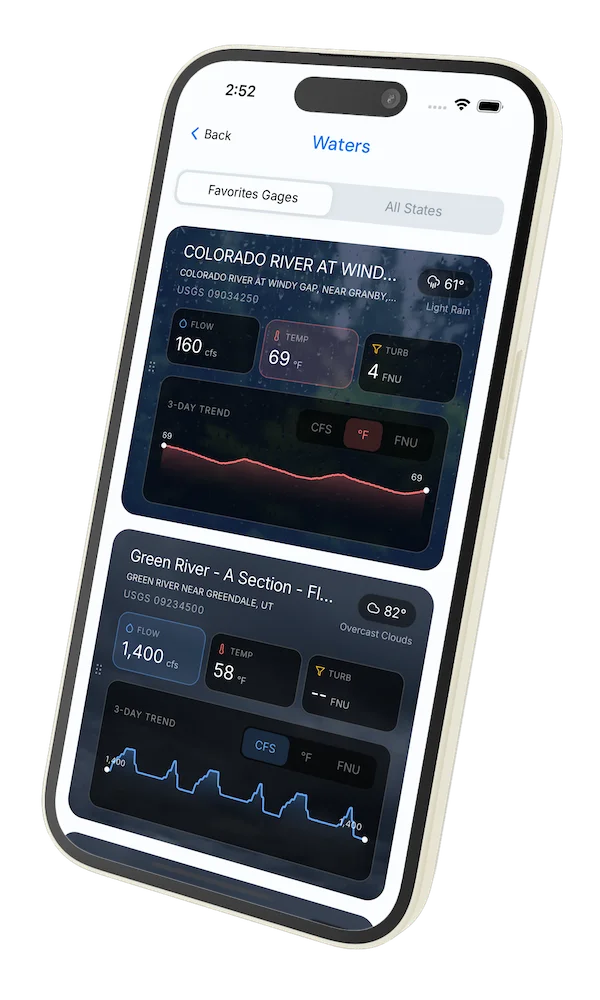
Hatch forecasts, river gages, fly scanning, and your journal — built for on-stream use. Be prepared before you get to the water. Free on the App Store and Google Play.


Conditions Report
Read tips and insights about recent conditions for Bear River — gathered from on line sources.
Read the Conditions ReportWater conditions
Water conditions for the last 7 days. You can gain insights to fishing activity based on these conditions, like water temperature and flow.
Data sourced from USGS National Water Information System
Access
Seasons
Terrain
Water
Fish Species
Walleye
Rainbow Trout
Fishing Styles
Methods
•
Wade Friendly