Catskill Dry
0 / 5
(0 Reviews)
Description
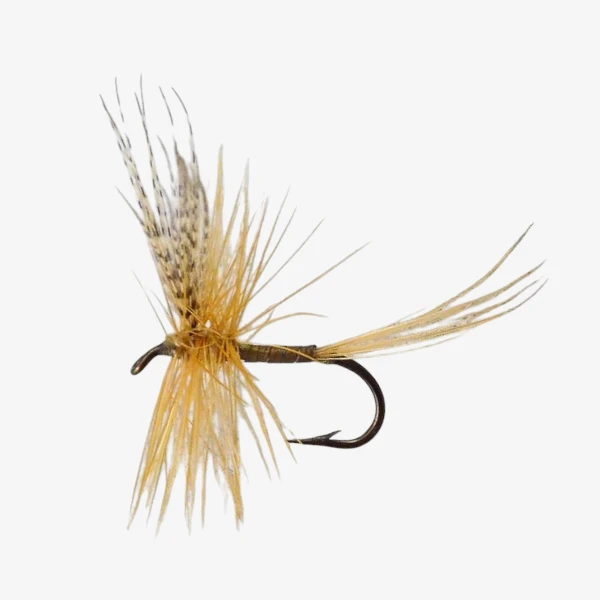
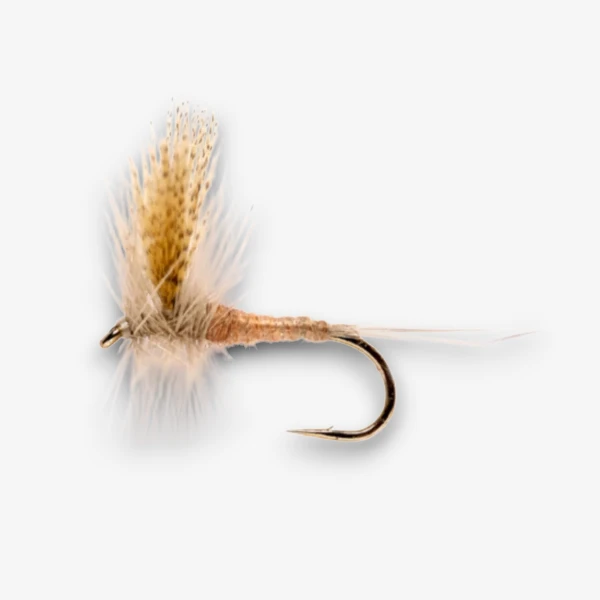
The Catskill Dry Fly is a classic American pattern developed in the Catskill Mountains of New York in the late 1800s and early 1900s. First shaped by Theodore Gordon and later refined by the Darbees and the Dettes, it was created to imitate the natural mayflies of local streams and set the foundation for modern dry-fly design. Known for its upright divided wings, sparse hackle, and slim body, the pattern also leaves a small bare section behind the hook eye—originally intended for tying a Turle knot, the preferred connection of the era
Curated by the IdentaFly fly fishing team.
Pro Tip
When fishing a Catskill Dry Fly, aim for a clean dead-drift to match its natural, lightweight profile. Use a long leader and fine tippet to minimize drag, especially in clear, slow water where trout can be selective. Cast upstream and let the fly drift naturally over seams, riffle edges, or rising fish. If the fly starts to sink, dry it, add a bit of floatant, and keep it riding high. Carry a few variations to match whatever mayflies are hatching.


Reviews
0
0 Ratings
0 Reviews
Fly Tying Recipe
- Hook: Dry-fly hook, size 14–18
- Thread: Olive or light tan, fine (8/0 or equivalent)
- **Tail: **Several dun hackle fibers
- Body: Light olive or tan fine dubbing
- **Rib: **Fine gold wire or oval tinsel
- **Wing /Post: **Light dun or cream poly yarn or elk hair post
- **Hackle: **Grizzly or light dun dry-fly hackle
Fly Tying Video
From: Davie McPhail