Snake River
WY
•
River
About Snake River
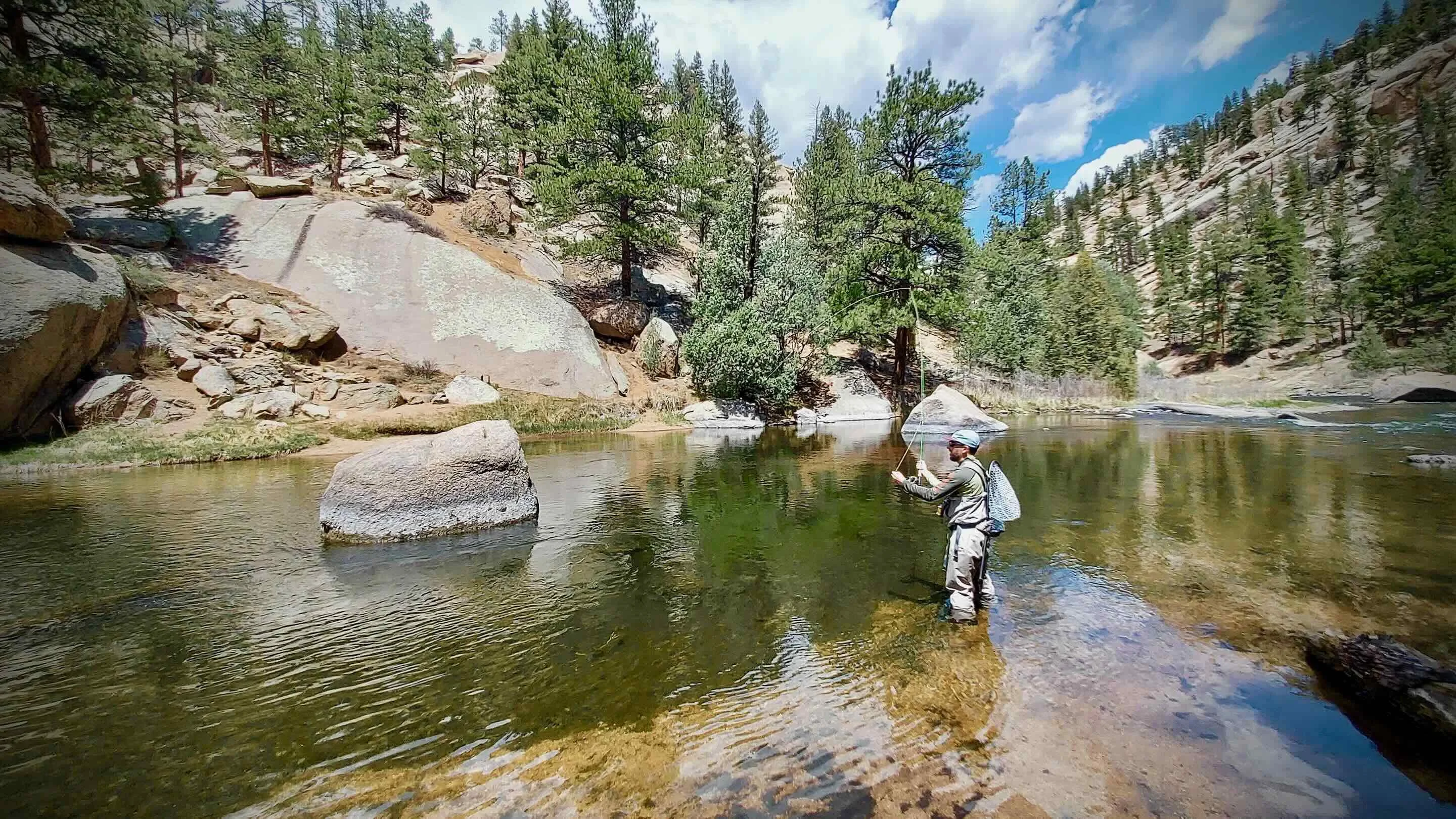
The Snake River, a significant tributary of the Columbia River, originates in Yellowstone National Park on the Two Ocean Plateau and flows through Grand Teton National Park before continuing into Idaho and Washington. Designated a Wild and Scenic River by Congress, its headwaters are found near the Continental Divide, a complex network of springs and streams that coalesce into this major waterway. Historically known by Shoshone names like "Yampa-pah" and "Po-og-way," its current name has been in use since at least 1812, making it one of the park's oldest named features. Within Grand Teton National Park, the river flows into Jackson Lake, and a tailwater section runs from a small dam towards Palisades Reservoir. While the upper sections can be characterized as a tailwater, downstream the Snake River behaves more like a large freestone river, offering diverse water types ranging from smooth, shallow runs to whitewater rapids and deep pools. This dynamic nature means water conditions, including fluctuations in flow and temperature, can vary significantly, demanding patience and careful navigation for anglers. The Snake River is renowned for its healthy trout population, particularly the finespotted cutthroat, a unique species known for its aggressive feeding habits, which translates into exciting dry fly opportunities. Wild brown and rainbow trout are also present, though less common. Anglers can expect multiple insect hatches throughout the season, including Pale Morning Duns (PMDs), Caddis, Drakes, and a consistent Blue Wing Olive (BWO) hatch. The river is also known for its large Stoneflies, which appear in significant numbers, and an abundance of terrestrials like grasshoppers. Effective fly patterns often include nymphs such as Pheasant Tails, Prince Nymphs, Hare's Ears, and Copper Johns, as well as terrestrial imitations. Standard 9-foot 5-weight rods are suitable, with 4-weight rods and lighter tippets beneficial for delicate presentations. Access is available for both wading and floating, with drift boats, rafts, and kayaks commonly used. Note that permits are required for floating within Grand Teton National Park, and local guides can assist with these arrangements. Anglers should always be mindful of the river's size and sometimes aggressive nature, practicing safe wading and floating techniques.
Snake River Hatch Chart
Loading active hatches…
Quick Actions
Regulations
•
Seasonal Closures: This water has seasonal closures. Check local regulations for specific dates.
Trip Planning
Best fishing typically occurs during spring and summer. Check water conditions before heading out.
See what insects are emerging on Snake River's hatch forecast — including active hatches, water temperatures, and which patterns to have in your box this month.
Get IdentaFly on your phone
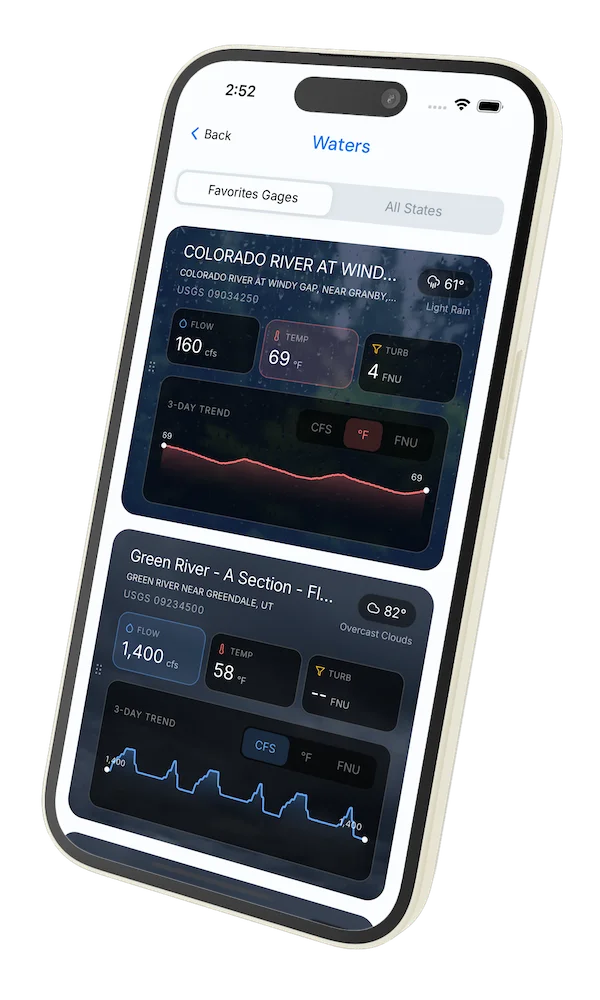
Hatch forecasts, river gages, fly scanning, and your journal — built for on-stream use. Be prepared before you get to the water. Free on the App Store and Google Play.


Conditions Report
Read tips and insights about recent conditions for Snake River — gathered from on line sources.
Read the Conditions ReportWater conditions
Water conditions for the last 7 days. You can gain insights to fishing activity based on these conditions, like water temperature and flow.
Data sourced from USGS National Water Information System
Access
Seasons
Terrain
Water
Fish Species
Trout
Whitefish
Regulations
•
Seasonal Closures: This water has seasonal closures. Check local regulations for specific dates.
Fishing Styles
Methods
•
Drift Boat Only
•
Wade Friendly
Land Ownership
National Park
Public Blm