Grand River
OH
•
River
About Grand River
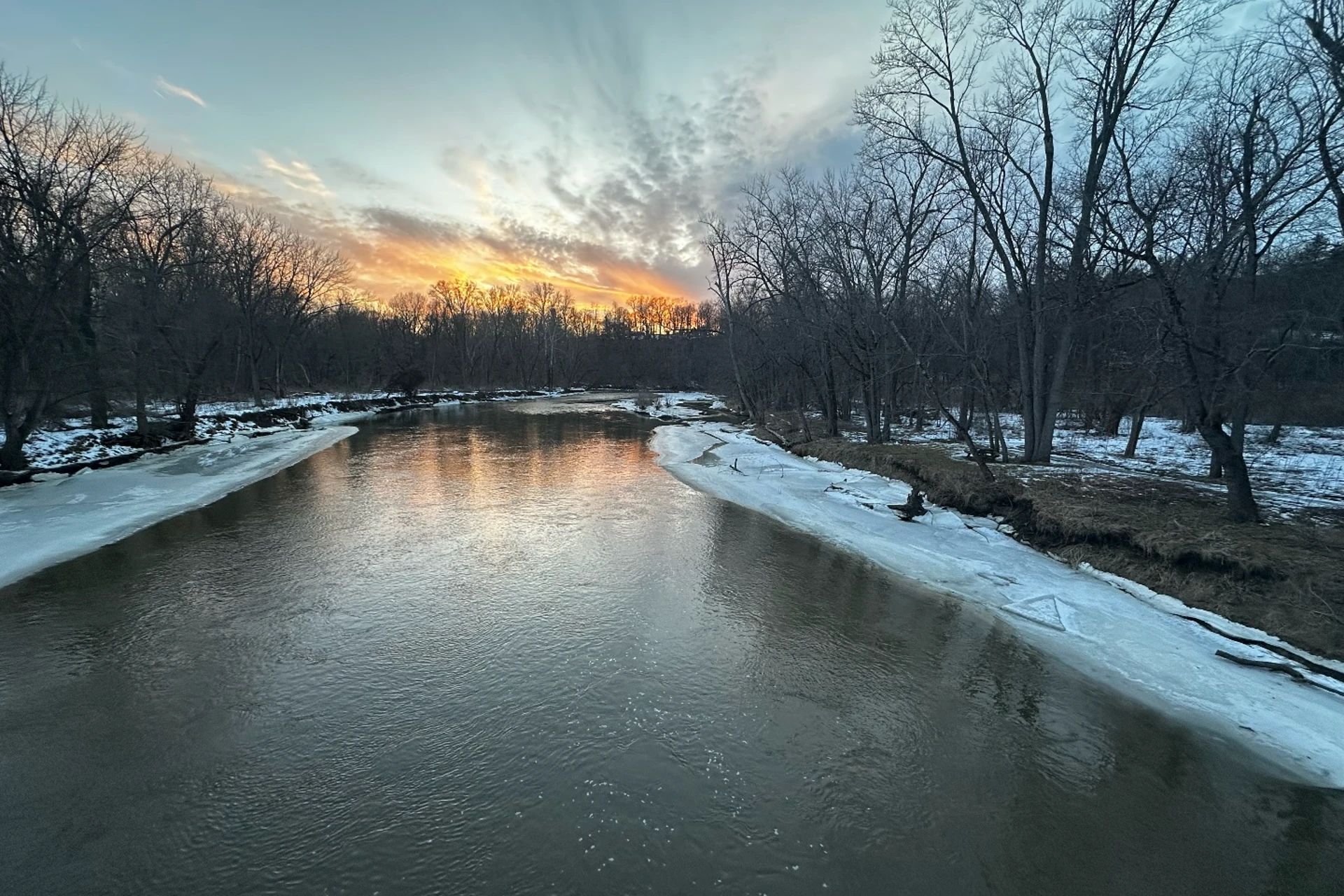
The Grand River, a significant tributary to Lake Erie in northeastern Ohio, is a 98-mile freestone waterway designated as a Wild and Scenic River. Shaped by ancient glacial movements, its character dramatically shifts below the Harpersfield Dam. The upper section features slower-moving water and a broad floodplain with wetlands and forests, though it can carry considerable silt. Below the dam, the river transforms into a rugged 23-mile gorge with a steeper gradient, colder water, and challenging access due to high cliff banks and dense forests carved through ancient shale and siltstone. This dramatic landscape eventually transitions back to a slower flow as it nears Lake Erie. The Grand River's clarity is notably influenced by run-off, often exhibiting a tea-colored stain that can impact visibility but also offers steelhead a sense of security. The river's bottom composition is a mix of clay, gravel, and scattered boulders, with potential for deep holes. Renowned for its steelhead fishery, the Grand River hosts both fall/winter runners of the Pennsylvania strain and late winter/early spring runs of the Little Manistee strain, the latter from Ohio Department of Natural Resources stocking. While natural reproduction is believed to occur in feeder streams, stocking is the primary source of the steelhead population. Beyond steelhead, anglers will find excellent opportunities for smallmouth bass and muskie during warmer months. Effective fly fishing techniques on the Grand River are dictated by run-off, water temperature, and the season, with anglers often employing larger, brighter flies and heavier tippet in stained waters. Traditional swing presentations are popular, complemented by nymphing and egg patterns. Spey fishing is also gaining traction. Wadeable conditions are generally found between 250-350 cfs, though excessive run-off can render the river unfishable for extended periods. Access is generally good, with public land and metropark areas, though some prime spots may require hiking. While specific hatch charts are not detailed, the river's ecosystem supports various aquatic insects, and anglers can expect opportunities to target fish that feed on hexagenia mayfly nymphs, caddisfly nymphs, stonefly nymphs, and fish roe.
Grand River Hatch Chart
Loading active hatches…
Quick Actions
Trip Planning
Best fishing typically occurs during fall and spring. Check water conditions before heading out.
See what insects are emerging on Grand River's hatch forecast — including active hatches, water temperatures, and which patterns to have in your box this month.
Get IdentaFly on your phone
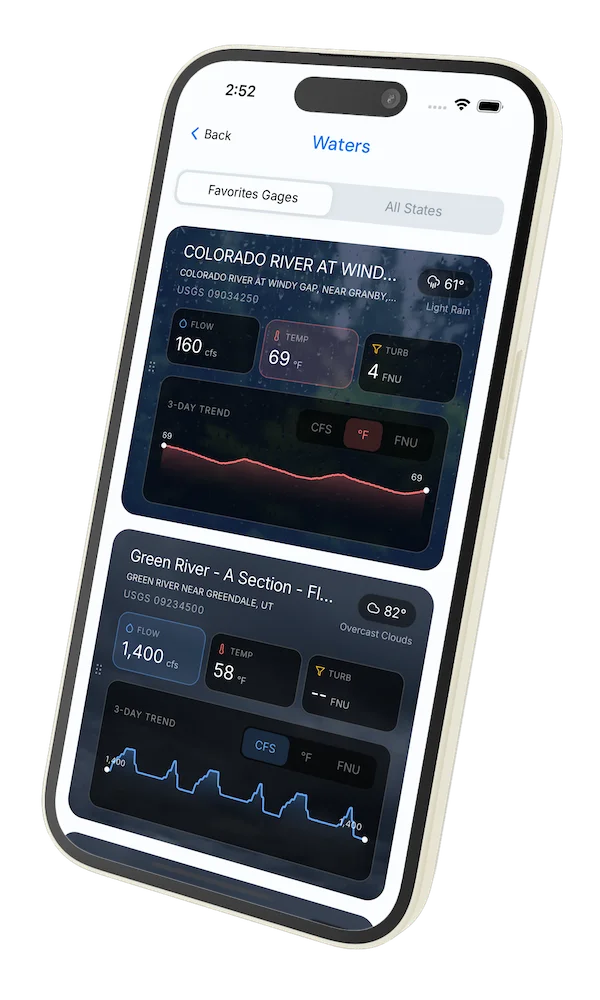
Hatch forecasts, river gages, fly scanning, and your journal — built for on-stream use. Be prepared before you get to the water. Free on the App Store and Google Play.


Conditions Report
Read tips and insights about recent conditions for Grand River — gathered from on line sources.
Read the Conditions ReportWater conditions (USGS)
Water conditions for the last 7 days. You can gain insights to fishing activity based on these conditions, like water temperature and flow.
Data sourced from USGS National Water Information System
Access
Seasons
Terrain
Water
Fish Species
Steelhead
Smallmouth Bass
Fishing Styles
Methods
•
Wade Friendly
•
Float Friendly
Land Ownership
State Wildlife Area