Big Lost River
ID
•
River
•
Main stemAbout Big Lost River
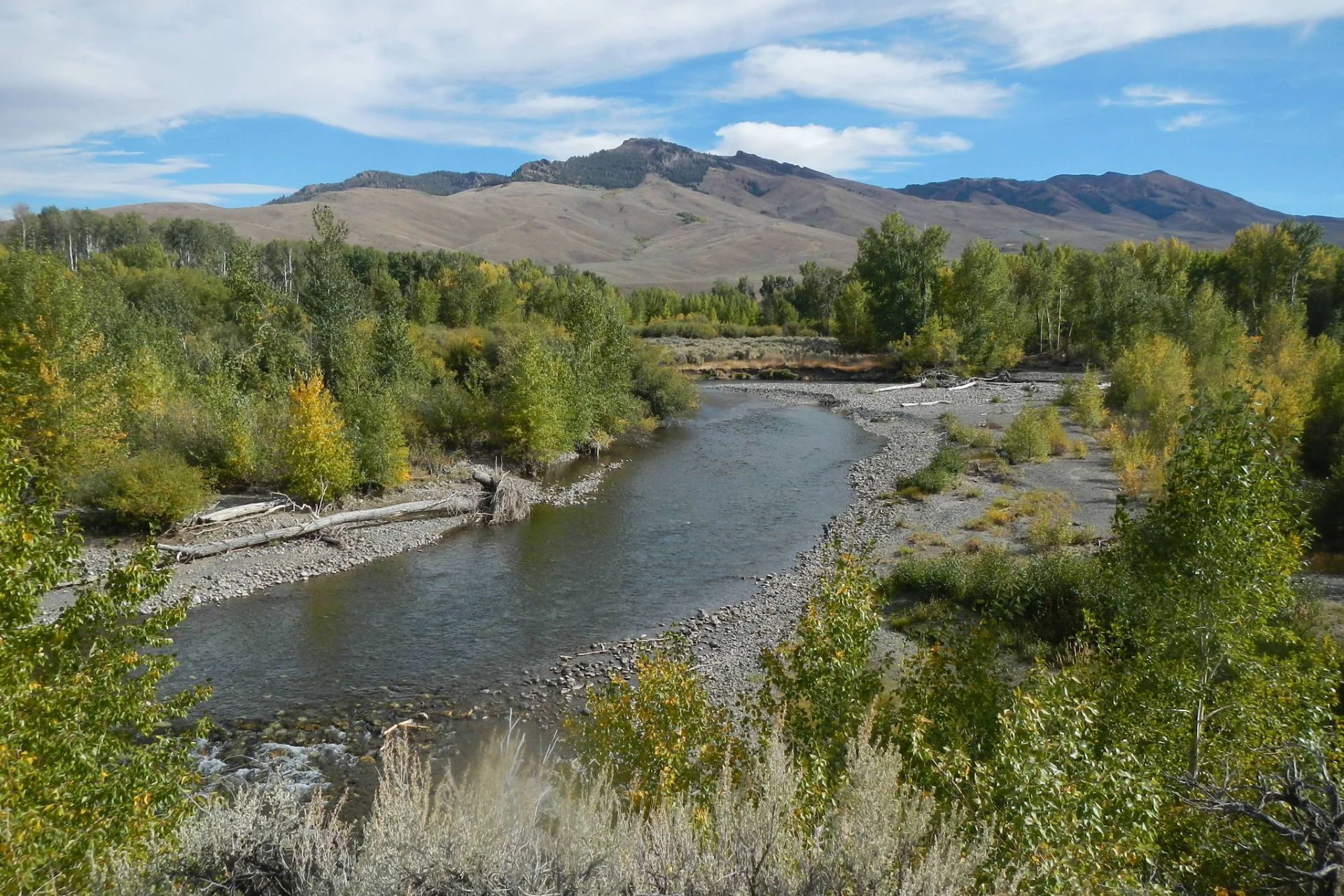
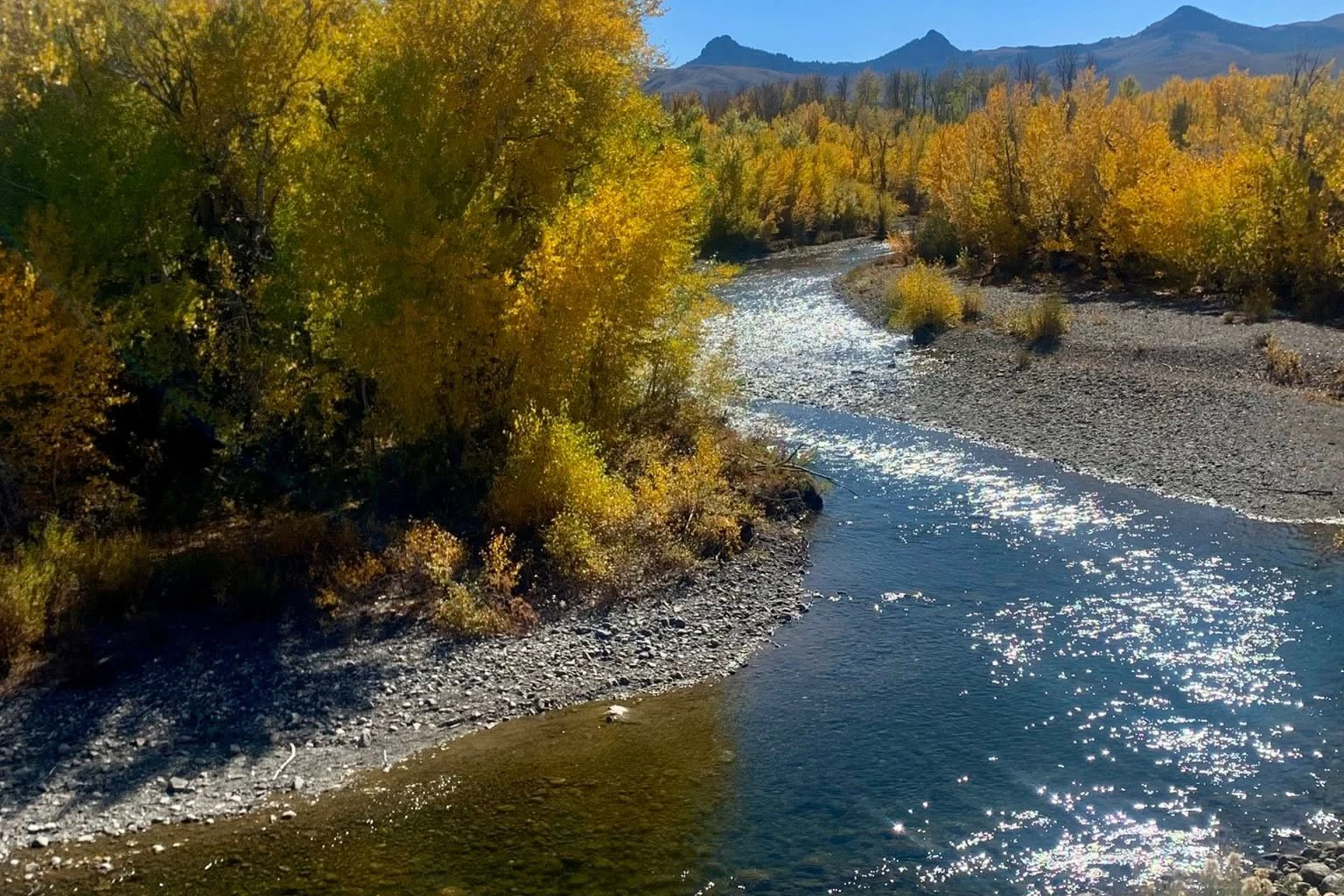
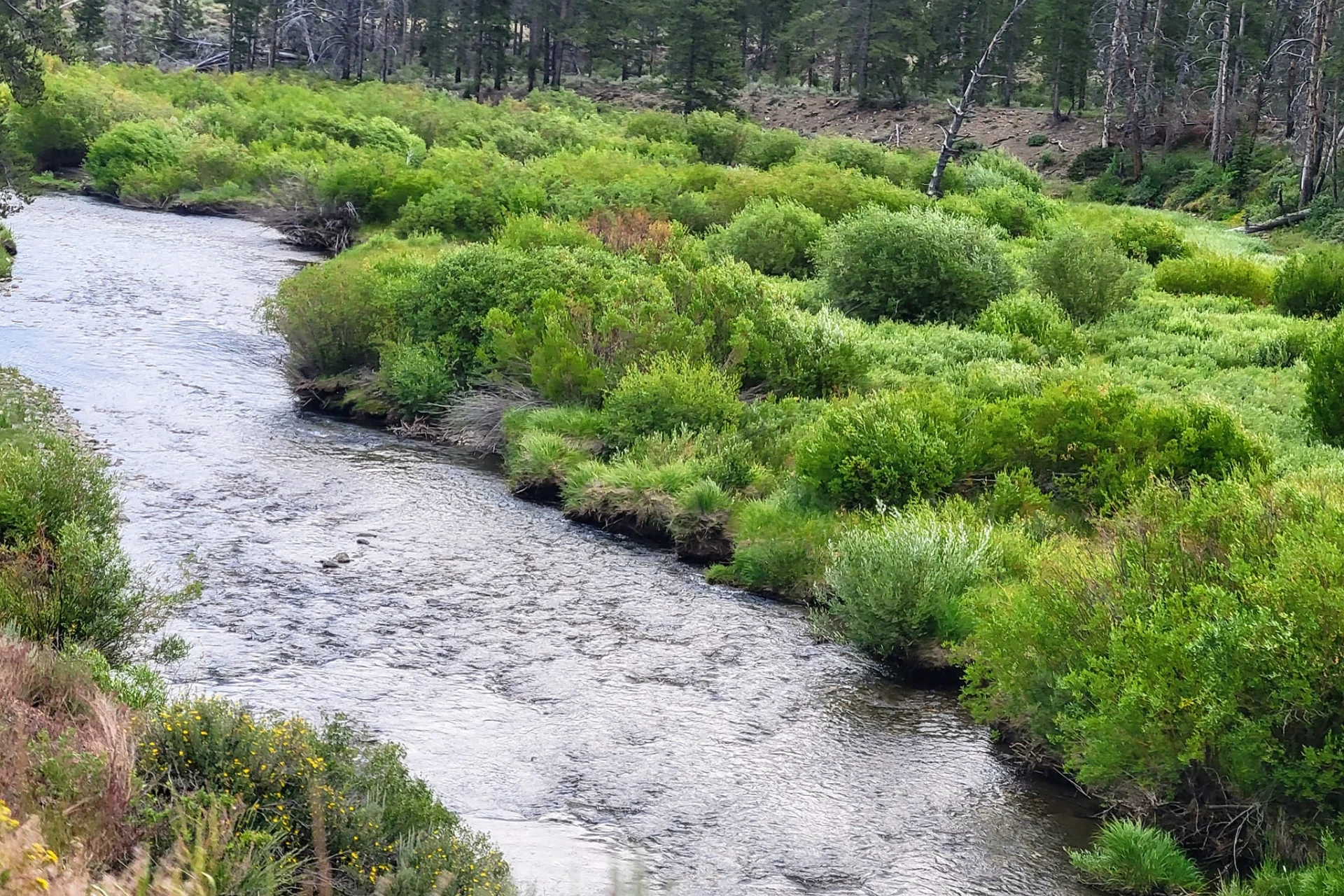
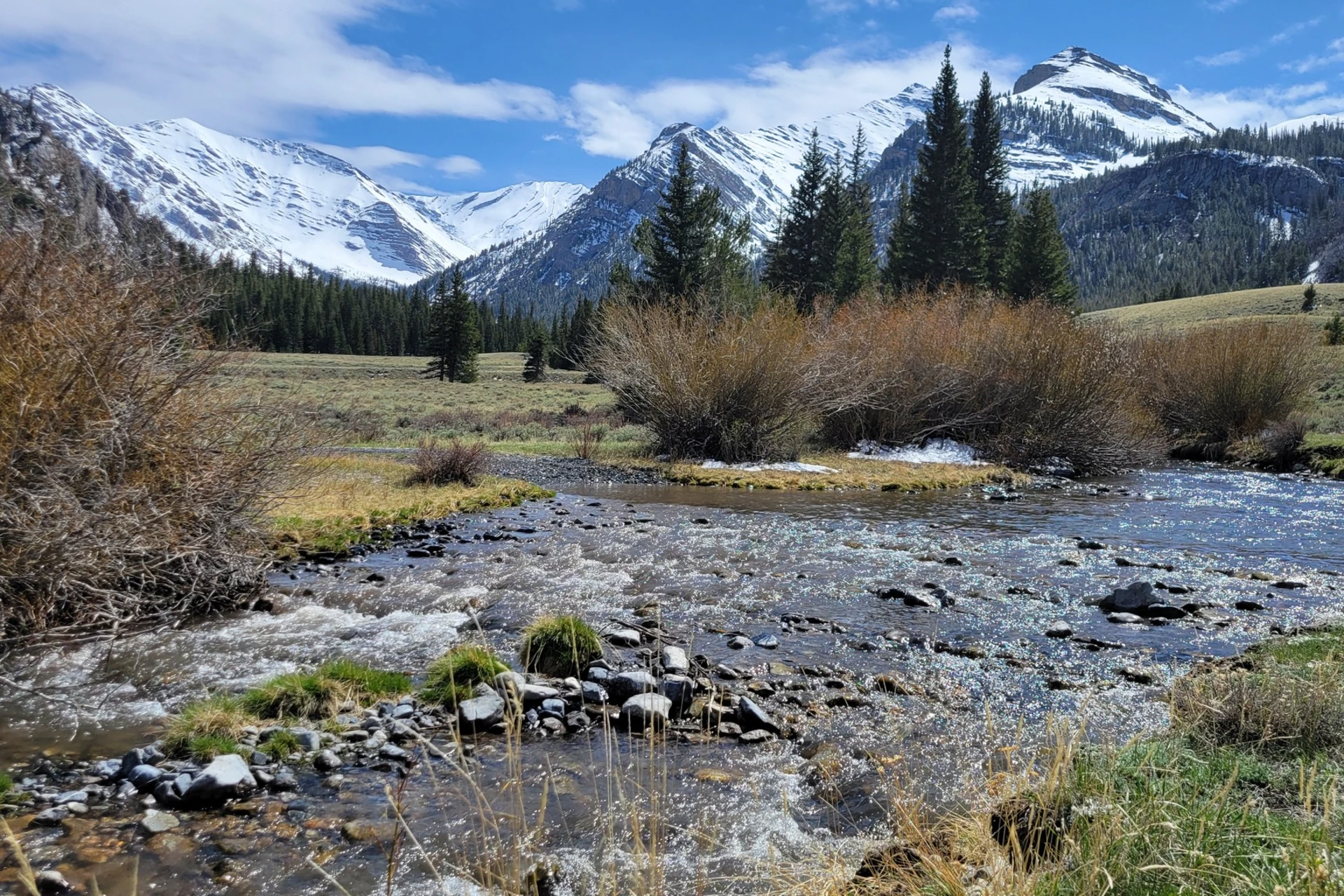
The Big Lost River in Idaho is a substantial waterway, running about 135 miles from its headwaters in the Pioneer Mountains down to where its surface flow disappears into the Snake River Aquifer near Arco. This vanishing act is what gives the river its name. The river system is divided by Mackay Reservoir into two main sections, each offering a different kind of fishing. The upper river winds through rough canyons and open meadows, eventually flowing out into sagebrush plains with dramatic mountain views. Below Mackay Reservoir, the lower section becomes a tailwater, meaning its flow and temperature are regulated by the dam. This tailwater connection to the aquifer means the river's flow, though sometimes ephemeral, is still hydrologically linked to the Snake River. Access to the upper river is generally straightforward, with pull-offs along Highway 93 and via Trail Creek Road. You'll find a mix of meandering streams and lush meadows, with opportunities for wading in many spots. The riverbanks can be brushy in places, but there are also open areas with clear sightlines. The tailwater section below Mackay Reservoir also has designated access points, offering a different feel. Here, the river flows beneath the impressive 12,000-foot peaks of the Lost River Range, cutting through cottonwood and aspen forests that are particularly striking in the fall. Anglers should be prepared for varied wading conditions throughout the system. Anglers can expect to target wild rainbow trout, brook trout, and cutthroat trout throughout the Big Lost River system. The upper river is known for its wild trout populations, with the East Fork and North Fork offering distinct opportunities. The tailwater section below Mackay Reservoir is particularly noted for producing some of the largest and healthiest rainbow trout in the area. Insect activity can be prolific, with hatches of Blue Wing Olives, Caddis, and Stoneflies providing good dry fly opportunities. Nymphing is also a consistently effective tactic, especially in the tailwater. When hatches are on, consider presenting a dry fly like a Stimulator or an Elk Hair Caddis. For nymphs, a Pheasant Tail or a Prince Nymph can be productive, especially when fished deep in the tailwater. In the upper reaches, smaller stream patterns and terrestrial imitations can also work well. Consider fishing a small, attracter dry fly in the morning, and then switching to nymphs or streamers as the day progresses and light conditions change. Anglers sharing the water should be mindful of casting lanes and give each other space. Always be aware of your footing, especially when wading.
Big Lost River Hatch Chart
Quick Actions
Trip Planning
Best fishing typically occurs during spring and summer. Check water conditions before heading out.
See what insects are emerging on Big Lost River's hatch forecast — including active hatches, water temperatures, and which patterns to have in your box this month.
Get IdentaFly on your phone
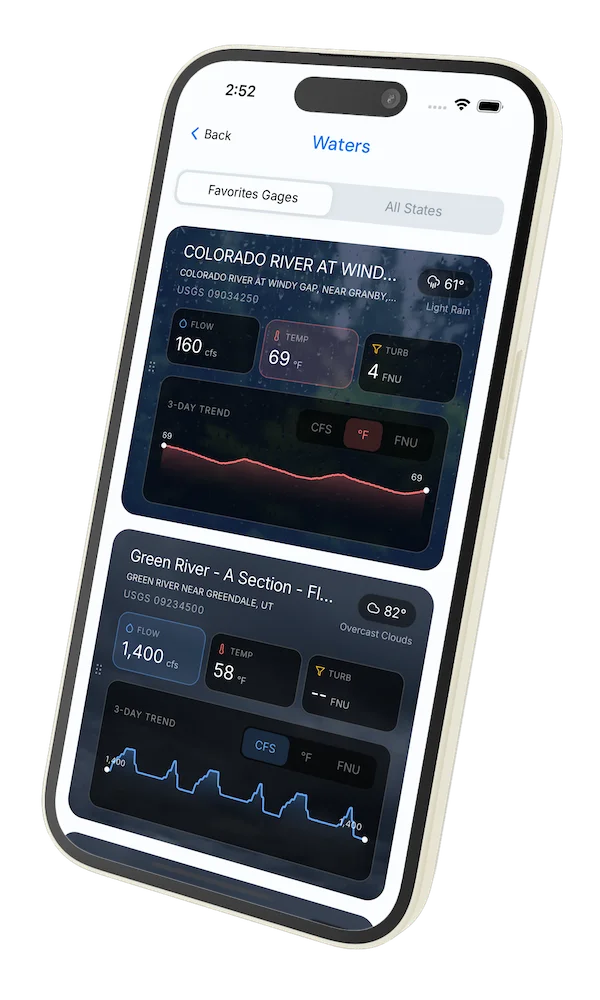
Hatch forecasts, river gages, fly scanning, and your journal — built for on-stream use. Be prepared before you get to the water. Free on the App Store and Google Play.


Conditions Report
Read tips and insights about recent conditions for Big Lost River — gathered from on line sources.
Read the Conditions ReportAccess
Seasons
Terrain
Water
Fish Species
Rainbow Trout
Cutthroat
Fishing Styles
Methods
•
Wade Friendly
Land Ownership
Public Blm
Public Forest Service